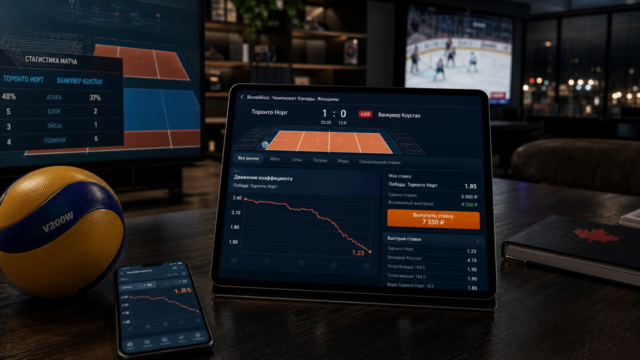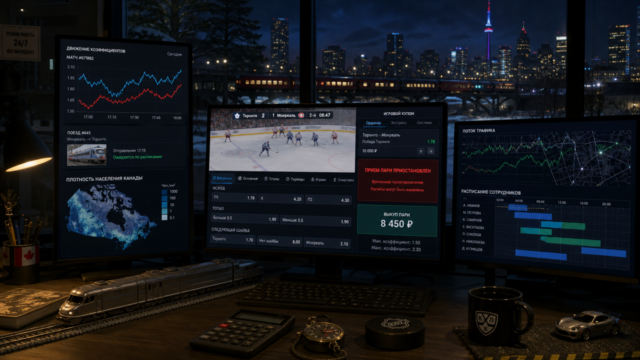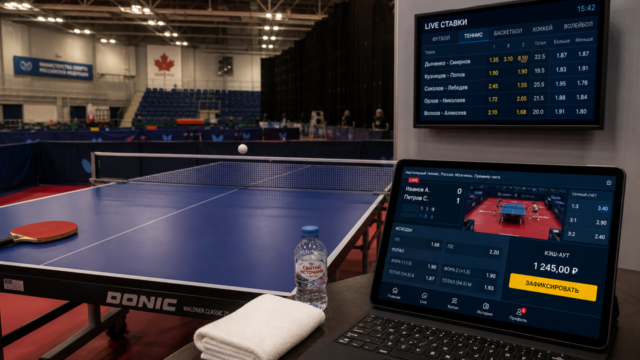
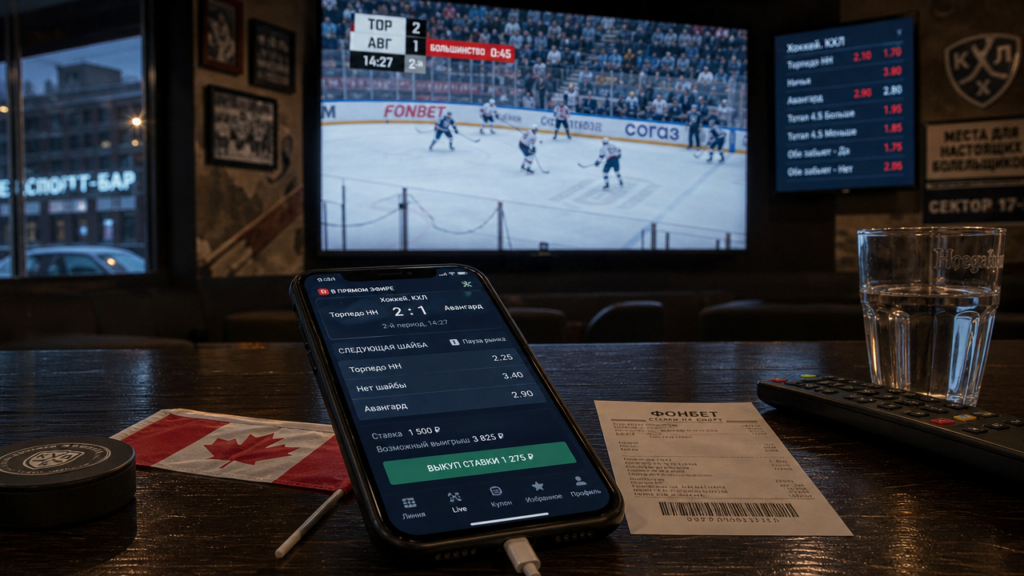
A live hockey line can move before the scoreboard changes. If the home side has three straight shot attempts from the slot and the opposing goaltender loses his stick, a bookmaker may cut the next-goal price from 2.40 to 2.10. The market is pricing pressure, not just goals. This is live hockey betting, and the same mechanics decide whether your single live bet is strong or late.
Live hockey betting moves on pressure, not only goals
In hockey, odds reprice on shot attempts, offensive zone time, power plays, penalties, and goaltender changes. A five-on-three power play creates a higher expected goal rate than five-on-five, so the next-goal favourite can shorten before a shot is taken. Check whether the move came after a line change or a penalty, because that context matters more than raw shot totals.
When a goal is scored, the bookmaker usually opens a suspension, a temporary market pause while the model reprices. The next shift after a goal often produces a small price spike because some bettors rush to back the team that just scored. Latency is the delay between the real event and the odds update. If a goal is scored at 12:10 on the broadcast but your odds only change at 12:15, the latency is about five seconds. A five-second delay can turn a value bet into a stale price.
In-play odds and a single live bet
In-play odds are the live decimal prices offered after the puck drops. A single live bet is one wager on one outcome during the event. It is not a parlay and not a same-game multi. If you place $15 on the home side to score the next goal at 2.60, your total risk is $15 and your return is $39 if that side scores next.
The decimal price includes your stake. A price of 1.80 means a $10 bet returns $18 total, not $18 profit. Live hockey markets often refresh at natural stoppages: icings, offsides, penalties, and saves. Some sportsbooks update next-goal odds during continuous play, but many hold the price for a few seconds to limit timing risk.
Cash-out on a live hockey bet
Cash-out is a price offered to settle your bet before the final whistle. It is not the full fair value; it contains the sportsbook’s margin and a small risk premium for any suspension that may follow. For example, a $20 bet on a team to win at 3.00 has a potential return of $60. After that team takes a 1-0 lead early in the second period, the live price drops to 1.80. The fair value of your ticket is about $33.33, calculated as $60 divided by the current live price of 1.80. If the sportsbook offers $29, the missing $4.33 is the margin and suspension risk.
Before accepting a cash-out, compare the offer with the current live odds. Do not accept a cash-out on a team that is still controlling play unless the offer is close to the fair hedge value. For a single live bet, cash-out is often more useful in a blowout or when an injury changes the game.
Suspension and latency decide whether your bet is live
A suspension is not a glitch. It is a controlled pause that protects the sportsbook from a flood of bets after an event, such as a goal, a challenged offside, or a major penalty. During a suspension, the odds freeze, and your bet may be accepted only after the market reopens at the new price. If you try to submit a wager during the pause, a Canadian sportsbook will often show a message such as “odds changed” or “market suspended.”
Latency is the gap between what you see and what the sportsbook’s model already knows. A broadcast delay can put a bettor behind the live market. If you are watching a delayed feed, the odds may have already moved. To measure your latency, watch a known whistle or goal, note the game clock on your screen, and compare it with the sportsbook clock or the official game clock. If the gap is more than a few seconds, your reaction time is already behind the fast live markets.
Best sports for fast live markets in Canada
Fast live markets mean odds that refresh frequently with low latency. Some sports are faster than hockey because they have more discrete, measurable events. The table compares four common live betting sports in Canada.
| Sport | Repricing trigger | Market pace | Best single live bet |
|---|---|---|---|
| Tennis | Point completion | Frequent | Break point or next-game winner |
| Basketball | Turnover, foul, timeout | Frequent | Moneyline after a run |
| Hockey | Shot, penalty, goal, whistle | Moderate to fast | Next goal or team to score second |
| Soccer | Corner, card, shot, goal | Less frequent, sharper after major events | Red card or late goal |
Tennis reprices after every point, which gives a bettor a clear signal if the server is struggling. Basketball odds can swing after a strong scoring run or a key player picking up a fourth foul. Hockey sits in the middle because play can run for minutes without a stoppage, but a power play or an empty net creates sharp repricing. Soccer has fewer scoring events, so odds move less often but can shift heavily after a red card or a late equalizer.
Live betting feeds and the timing problem
Live betting requires three matching streams: the video feed, the official scoreboard, and the sportsbook odds. If one stream is delayed, you are betting on a replay. Before you risk real money, watch one full market cycle: submit a small price check, note how long confirmation takes, and see whether the line changes during acceptance. A slow confirmation can turn a strong price into a weaker bet.
Some Canadian bettors search for live betting feeds or tipster channels. A feed may post screenshots, picks, or odds from another bookmaker. Treat these channels as commentary, not execution. A screenshot may show a line that is already gone on your licensed Canadian sportsbook. Use the sportsbook’s own live odds and, if available, its stream.
Placing a single live bet with discipline
A single live bet is one in-play selection, not a parlay and not a chase. Choose one clear trigger before the game starts. For hockey, that trigger might be a five-on-three power play, a goalie pulled with two minutes left, or a team controlling the last ten shot attempts. When the trigger appears, check the current price and decide whether the value is still there. If the price has already moved from 2.20 to 1.75, the value may be gone. Wait for the next whistle or the next repricing.
Discipline means no second-screen panic and no tip that asks you to ignore the price. A single live bet is a tool, not a reflex. The market will move without you, and a disciplined Canadian bettor wins by waiting for the right suspension, latency check, and price.