Suppose a best-of-five volleyball match is tied at 2-2 and the receiving team loses two straight reception points. Its next-set price moves from 2.10 to 1.85 within 15 seconds, even though the score has not changed. That is live betting: the market prices the next point before the scoreboard confirms it. In-play odds movement and sport-specific timing decide whether a bettor gets 2.10 or 1.85.
How Live Odds Move Before the Score Changes
A live odd is the price a sportsbook offers during an event. It updates from a data feed that tracks the score, time, possession, shots, serves, fouls, and other event signals. Latency is the delay between the real play and the odds update on your screen. Suspension is a temporary market closure when the sportsbook receives a high-impact signal, such as a goal, injury, or video review, and must reopen the market at a reset price.
A hockey line can move before the scoreboard changes. If one team controls possession for several shifts and records multiple shots, a bookmaker may cut its next-goal price. The market is pricing pressure, not just goals. Check whether the pressure followed a power play, because that context matters more than raw shot totals.
The same mechanism applies to volleyball. A team with a serving run and several blocks will see its set-winner price compress, even if the current set is tied. Live odds are a probability engine, not just a scoreboard.
Volleyball Live Betting Strategy: Reading Reception and Runs
Volleyball has no draw and uses rally scoring. Every point changes the score, sets usually go to 25 points with a two-point gap, and the fifth set goes to 15. That structure creates frequent lead changes and short momentum runs.
A strong volleyball live betting strategy starts with reception quality. When a team’s first pass drifts away from the setter, its sideout rate drops. Suppose a team misses three first passes in a row at 6-6. The set-winner price may shorten before the next point. The live bettor is not reacting only to the score. The market is reacting to the broken reception pattern.
Use these live signals with specific markets:
| Market | Live Signal | Practical Action |
|---|---|---|
| Set winner | Favourite down early while producing a serving run | Look for value if the favourite is temporarily behind |
| Total points | High sideout rate and long rallies | Consider Over if the live line still offers value |
| Set handicap | Weak reception against a strong serving team | Consider a handicap on the stronger side |
| Total sets | Evenly matched teams and a likely extended match | Consider Over 3.5 sets in a best-of-five match |
Do not chase points that have already been scored. In volleyball, the market reprices after each rally, just like tennis. If you are betting the set handicap after the receiving team has lost five straight points, that information is already in the price.
Fast Live Markets Across Sports
Live betting speed depends on how often a sport produces discrete, measurable events and how fast the sportsbook feed updates. Tennis offers frequent repricing because each point changes win probability. Basketball moves quickly on turnovers, fouls, timeouts, and scoring runs. Hockey prices shift on shot attempts, zone time, and power plays before goals. Soccer has fewer scoring events but can move on shots, corners, and cards. Volleyball sits between tennis and basketball because rally scoring reprices after every point.
| Sport | Main Live Signal | Typical Market Movement |
|---|---|---|
| Tennis | Break point and serve hold | Reprices after each point |
| Basketball | Turnovers, fouls, and scoring runs | Often moves within seconds |
| Volleyball | Reception, serving run, and blocks | Reprices after each rally |
| Hockey | Shot attempts and power plays | Can move before a goal |
| Soccer | Shots, corners, and cards | Less frequent, with strong movement after goals |
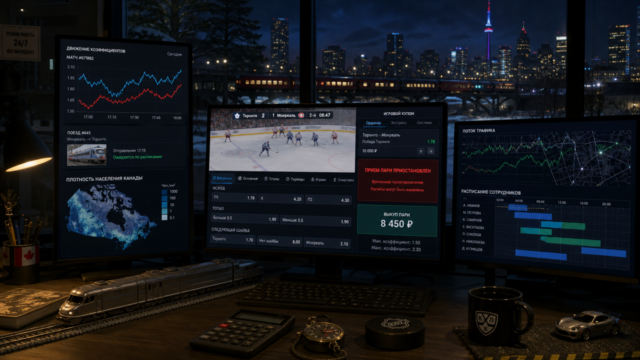
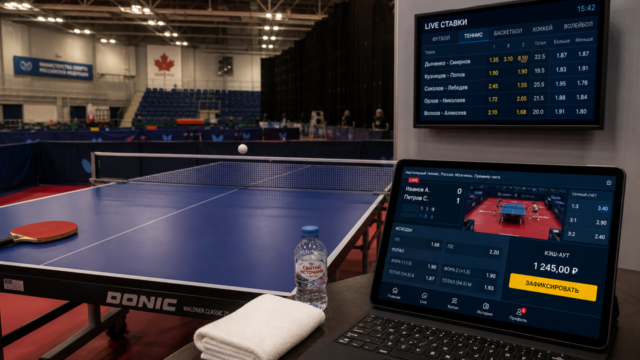
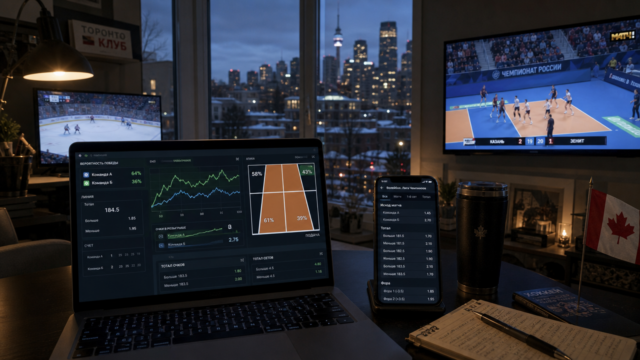
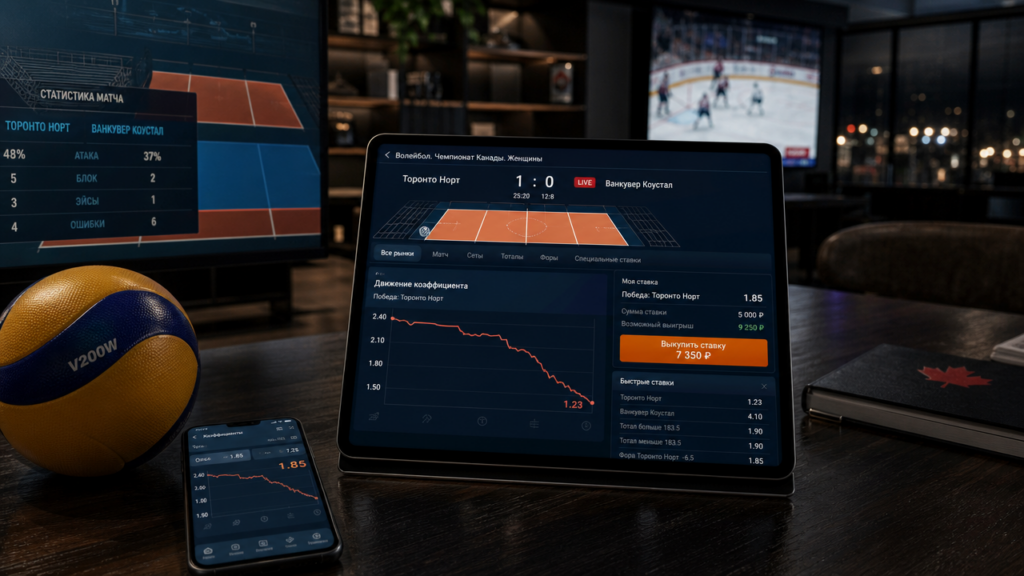
Live interfaces may group video, match trackers, infographics, and market filters in one view. The same mechanics apply: the odds are only as current as the feed.
A Pre-Bet Latency Check
Before placing a live wager, run a short test. Pick a stable moment, such as a basketball timeout or a volleyball side change. Note the odds on screen, submit a minimum price check, and time how long confirmation takes. If the odds move significantly during acceptance, the delay may be too large for that market.
Watch one full market cycle before committing. A slow confirmation can turn a strong price into a weaker bet. If the market suspends after a serve lands or a shot is taken, do not chase the suspended price. Wait for the reset line and compare it with the match tracker or live stream. Accepting a stale price can settle your bet at a worse number than expected.
A broadcast can lag behind the sportsbook feed. If you are reading the screen, you may be betting on the past. Official data feeds and match trackers can reduce that gap, but no feed is perfectly instant. Live betting is not about reacting fastest. It is about recognizing why the price has moved and whether you can still act before the next market reset.